
The 40th Goya Awards took place on February 28, 2026, at the Auditori Fòrum of the Centre de Convencions Internacional de Barcelona (CCIB). Hosted by Luis Tosar and Rigoberta Bandini, the ceremony marked the Goyas’ return to Barcelona and offered a revealing snapshot of where Spanish cinema stands today: between intimate, character-driven storytelling and a growing confidence in more expansive, formally ambitious work.
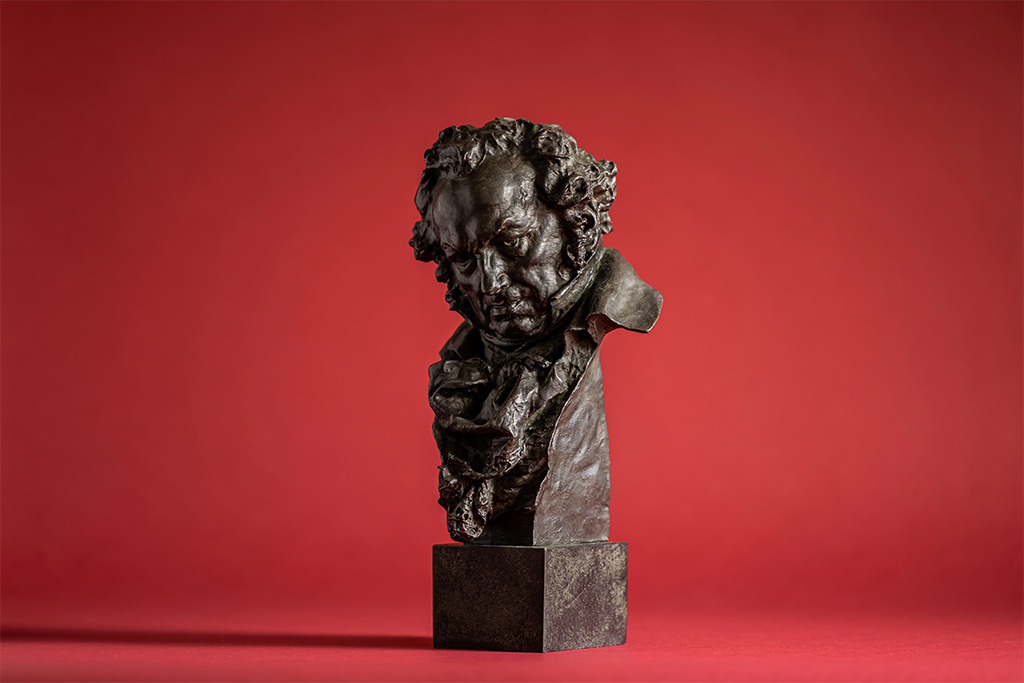
What made this edition especially interesting was the contrast between the films that dominated the most prestigious categories and those that left the strongest technical footprint. Los domingos emerged as the night’s major winner in the top races, taking Best Film, Best Director, Best Original Screenplay, Best Actress, and Best Supporting Actress. At the same time, Sirât confirmed its force in craft categories, winning six Goyas overall.
Main Awards
Best Film
Los domingos
Best Director
Alauda Ruiz de Azúa — Los domingos
Best New Director
Eva Libertad — Sorda
Best Original Screenplay
Alauda Ruiz de Azúa — Los domingos
Best Adapted Screenplay
Joaquín Oristrell, Manuel Gómez Pereira and Yolanda García Serrano — La cena
Best Actress in a Leading Role
Patricia López Arnaiz — Los domingos
Best Actor in a Leading Role
José Ramón Soroiz — Maspalomas
Best Supporting Actress
Nagore Aranburu — Los domingos
Best Supporting Actor
Álvaro Cervantes — Sorda
Best Ibero-American Film
Belén — directed by Dolores Fonzi
Best European Film
Sentimental Value — directed by Joachim Trier
Beyond the headline categories, the ceremony also made room for films that expanded the map of Spanish cinema in other directions. Sorda won three awards, including Best New Director and Best Supporting Actor, confirming Eva Libertad as one of the most compelling new voices to emerge this year. La cena took Best Adapted Screenplay and Best Costume Design, while Sirât dominated several technical fields, including cinematography, editing, sound, production direction, art direction, and original score.
This distribution of prizes says something meaningful about the current state of Spanish filmmaking. On one side, there is a clear recognition of films like Los domingos, which rely on emotional precision, moral tension, and carefully observed performances rather than grand gestures. On the other, the success of Sirât points to a cinema that is increasingly unafraid of texture, scale, and sensory immersion. The coexistence of both tendencies made this year’s Goyas feel particularly rich.
Honorary Recognition and International Presence
The Goya de Honor was awarded to Gonzalo Suárez, honoring a career that has moved across cinema, literature, journalism, and experimentation for more than six decades. The Academy presented the award to him in Barcelona, a city he himself connected to his first books, first films, and much of his personal history.
The Goya Internacional went to Susan Sarandon, recognized by the Academy for a filmography of lasting importance as well as for her political and social commitment. Her presence added an international dimension to a gala that, while deeply rooted in Spanish cinema, also clearly wants to speak beyond national borders.
What the 2026 Goya Awards ultimately revealed was not a single dominant trend, but a productive tension. Spanish cinema appears increasingly comfortable honoring both films of interiority and films of atmosphere, both intimate family dramas and works driven by visual intensity. That balance gave this edition of the Goyas a welcome sense of breadth. It felt less like a ceremony rewarding one kind of cinema, and more like a recognition that Spanish film is currently strongest when it allows different sensibilities to coexist.
