
Every November, the Argentine coastal city of Mar del Plata becomes one of Latin America’s most important destinations for cinema lovers. Established in 1954, the Mar del Plata International Film Festival holds a unique position as the region’s only FIAPF-accredited competitive feature film festival.
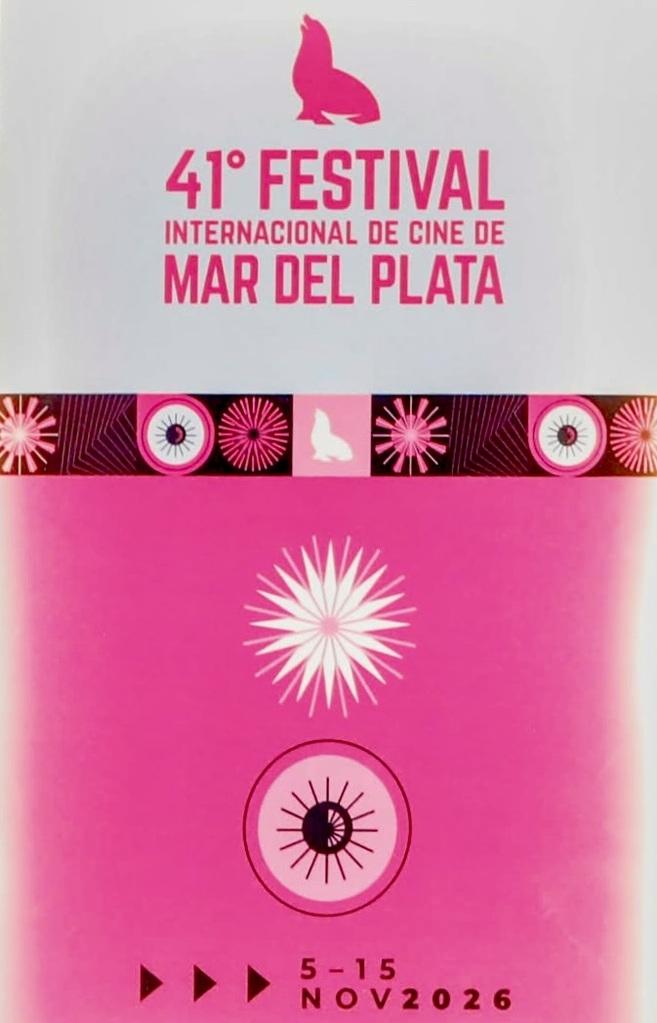
The 41st edition, held from November 5 to 15, 2026, brought together filmmakers, critics and audiences for another celebration of international cinema, with particular attention to Argentine and Latin American productions.
With 235 films from 52 countries, approximately 75,000 spectators and 500 screenings, the festival reaffirmed its importance as a meeting point between regional filmmaking and international cinema.
This year’s edition was distinguished by the triumph of Iranian cinema, the recognition of Brazilian filmmakers and a strong presence of Argentine productions.
The Night Arezou Disappeared – The Triumph of Iranian Cinema
The festival’s highest honour, the Astor Piazzolla Award for Best International Feature Film, went to The Night Arezou Disappeared, directed by Iranian filmmaker Arian Vazirdaftari.
The film follows the search for a missing teenage girl during Iran’s Woman, Life, Freedom protests, which emerged in 2022 following the death of Mahsa Amini.
Against a background of political repression and social unrest, Vazirdaftari explores the relationship between family, fear and individual freedom.
Filmed clandestinely in Iran, the production reflects the difficulties faced by filmmakers working under severe restrictions on artistic expression.
The jury recognised its ability to portray contemporary Iranian society through an intimate and emotionally powerful narrative.
Vazirdaftari also received the Best Director Award, making The Night Arezou Disappeared the principal winner of the 2026 edition.
Its success continued the international recognition of Iranian filmmakers whose work examines the tensions between private lives and political authority.
A Professora de Francês – Brazilian Cinema in the Spotlight
Another major winner was the Brazilian production A Professora de Francês, directed by Ricardo Alves Jr.
The film received the Special Jury Prize, while Grace Passô won the Best Actress Award for her performance. It also received the FIPRESCI Prize, awarded by the International Federation of Film Critics.
The story follows a woman returning home to care for her sick father, confronting difficult family relationships and the influence of religious fundamentalism in contemporary Brazilian society.
Through this personal situation, Alves Jr. examines individual autonomy, family obligations and the pressures imposed by conservative social environments.
Grace Passô, an accomplished actress and theatre artist, delivers a performance that reflects the emotional complexity of a woman attempting to reconcile personal freedom with the expectations of those around her.
The film’s three awards established it as one of the most celebrated productions of the festival and reinforced the growing international visibility of contemporary Brazilian cinema.
Elsinore – Andrew Scott Wins Best Actor
The Best Actor Award went to Irish performer Andrew Scott for his role in Elsinore, directed by Simon Stone.
The film also received the Audience Award, making it another of the edition’s most successful productions.
Scott, internationally recognised for his performances in All of Us Strangers and the television series Fleabag, has developed a reputation for portraying emotionally vulnerable and psychologically complex characters.
His performance in Elsinore explores mortality, artistic expression and the possibility of leaving something meaningful behind.
The Audience Award was particularly significant, suggesting that the film’s emotional themes resonated strongly with festivalgoers.
Celebrating Argentine and Latin American Cinema
Although the international competition attracts considerable attention, Mar del Plata remains an essential platform for regional filmmaking.
The Best Latin American Feature Film Award went to El pez que fuma, directed by Luis Fernández.
In the Argentine competition, Cebar, frenar, llorar, directed by Gerardo Tassan, received the Best Argentine Feature Film Award.
The production also earned recognition from the Argentine Association of Film Critics, reinforcing its position among the festival’s most celebrated national films.
Meanwhile, Gustavo Postiglione received the Best Argentine Director Award for Chejov en Rosario.
These awards highlighted the continued vitality of Argentine cinema despite the financial and institutional challenges affecting the country’s audiovisual industry.
Argentina has produced internationally recognised filmmakers such as Lucrecia Martel, Pablo Trapero, Lisandro Alonso and Santiago Mitre. The Mar del Plata festival remains particularly important for emerging directors seeking opportunities to present their work to international audiences.
Main Awards – Mar del Plata 2026
| Award | Winner |
|---|---|
| Best International Feature Film | The Night Arezou Disappeared – Arian Vazirdaftari |
| Special Jury Prize | A Professora de Francês – Ricardo Alves Jr. |
| Best Director | Arian Vazirdaftari – The Night Arezou Disappeared |
| Best Actor | Andrew Scott – Elsinore |
| Best Actress | Grace Passô – A Professora de Francês |
| Best Screenplay | Truly Naked – Muriel d’Ansembourg |
| Audience Award | Elsinore – Simon Stone |
| Best Latin American Feature Film | El pez que fuma – Luis Fernández |
| Best Argentine Feature Film | Cebar, frenar, llorar – Gerardo Tassan |
| Best Argentine Director | Gustavo Postiglione – Chejov en Rosario |
| Best International Short Film | Dernier Printemps – Mathilde Bédouet |
Emerging Filmmakers and Career Tributes
The festival also celebrated short filmmaking through its international, Latin American and Argentine competitions.
The Best International Short Film Award went to Dernier Printemps, directed by Mathilde Bédouet.
The Best Latin American Short Film was Faces, directed by Andrés Molano, while Marina Ilari’s Teatro in Inglish received the award for Best Argentine Short Film.
The En Tránsito section, dedicated to works in progress, recognised El tormento, directed by Mariano Cócolo, supporting the development of a project still undergoing completion.
Beyond the competitive programme, the festival presented its Astor Piazzolla Lifetime Achievement Awards to three important figures in Argentine cinema: composer Emilio Kauderer, actress and singer Natalia Oreiro, and filmmaker Alejandro Agresti.
Agresti, whose films include Buenos Aires Vice Versa, Valentín and The Lake House, has developed an international career while maintaining a strong connection with Argentine storytelling.
These tributes created a bridge between established artistic careers and the emerging generations represented throughout the festival.
Mar del Plata – A Vital Space for International Cinema
The 41st Mar del Plata International Film Festival demonstrated the importance of maintaining a major international cinematic event in Latin America.
The triumph of The Night Arezou Disappeared highlighted the power of cinema to examine political repression through personal experiences, while the recognition of A Professora de Francês celebrated the strength of contemporary Brazilian filmmaking.
Awards for Cebar, frenar, llorar and El pez que fuma reinforced the festival’s commitment to regional productions, while the recognition of emerging filmmakers demonstrated its importance for the future of Latin American cinema.
With 75,000 spectators and films representing 52 countries, the 2026 edition confirmed the continuing appeal of cinema as a shared cultural experience.
Mar del Plata remains more than a showcase for award-winning films. It is a meeting point where Latin American stories encounter international perspectives, reminding us that cinema’s greatest strength lies in its ability to connect experiences across geographical, cultural and political boundaries.
Check the official website of the Festival.
